Where we dive.
We dive our home waters in Puerto Rico every week, and run trips to Mexico's Riviera Maya and Bayahibe in the Dominican Republic. Across the three destinations there are 34 sites we can take you to — coral reefs, dramatic walls, shipwrecks, freshwater cenotes and seasonal bull sharks.
Puerto Rico
Our home island and the water we train in every week — coral reefs, dramatic walls, caves and wrecks within easy reach of Aguadilla.
Aguadilla & the Northwest
Our home coast and the water we train in every week. Shore and boat dives over reefs, ledges and man-made structures.
 All levels
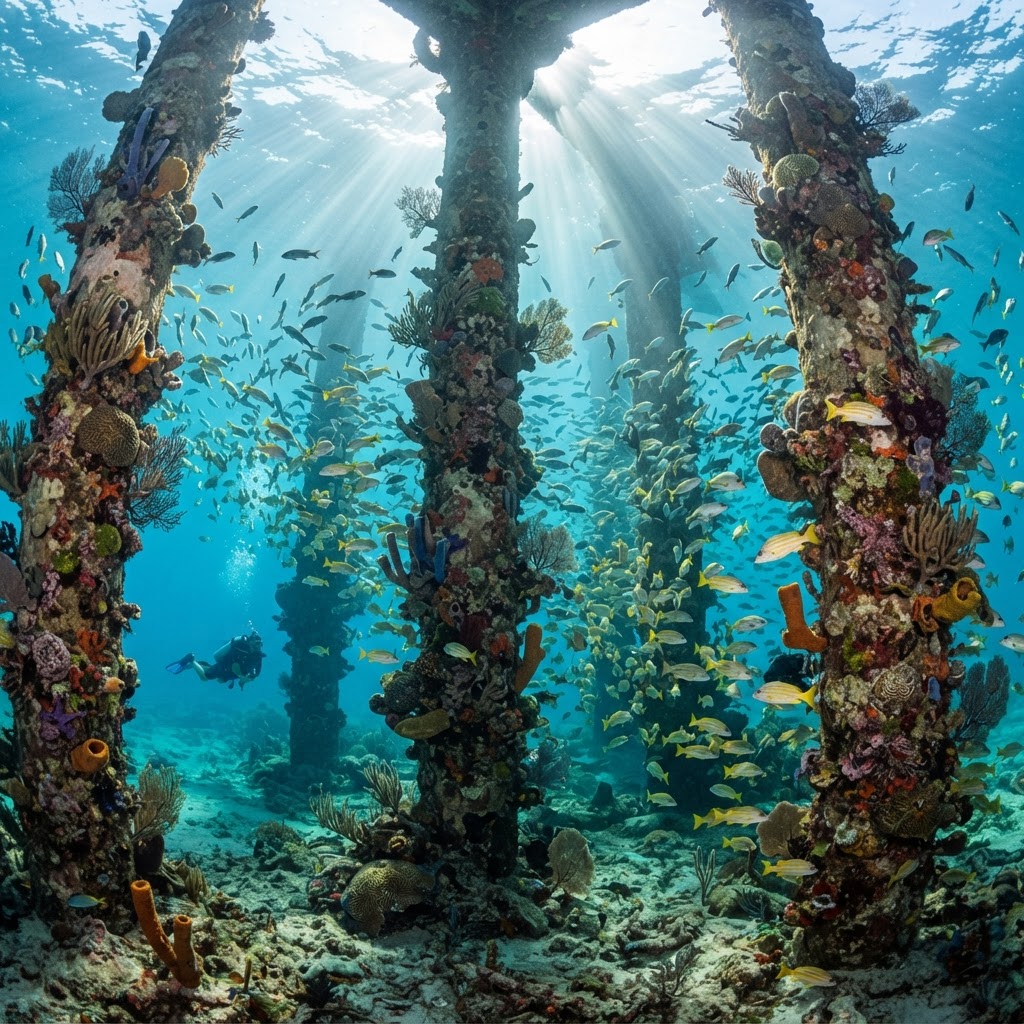
Crash Boat
The remains of the old pier pilings now form an artificial reef encrusted with coral and sponges, drawing in huge schools of fish, angelfish, snappers and the occasional sea turtle. Shallow and calm — ideal for training dives and relaxed guided dives.
 All levels
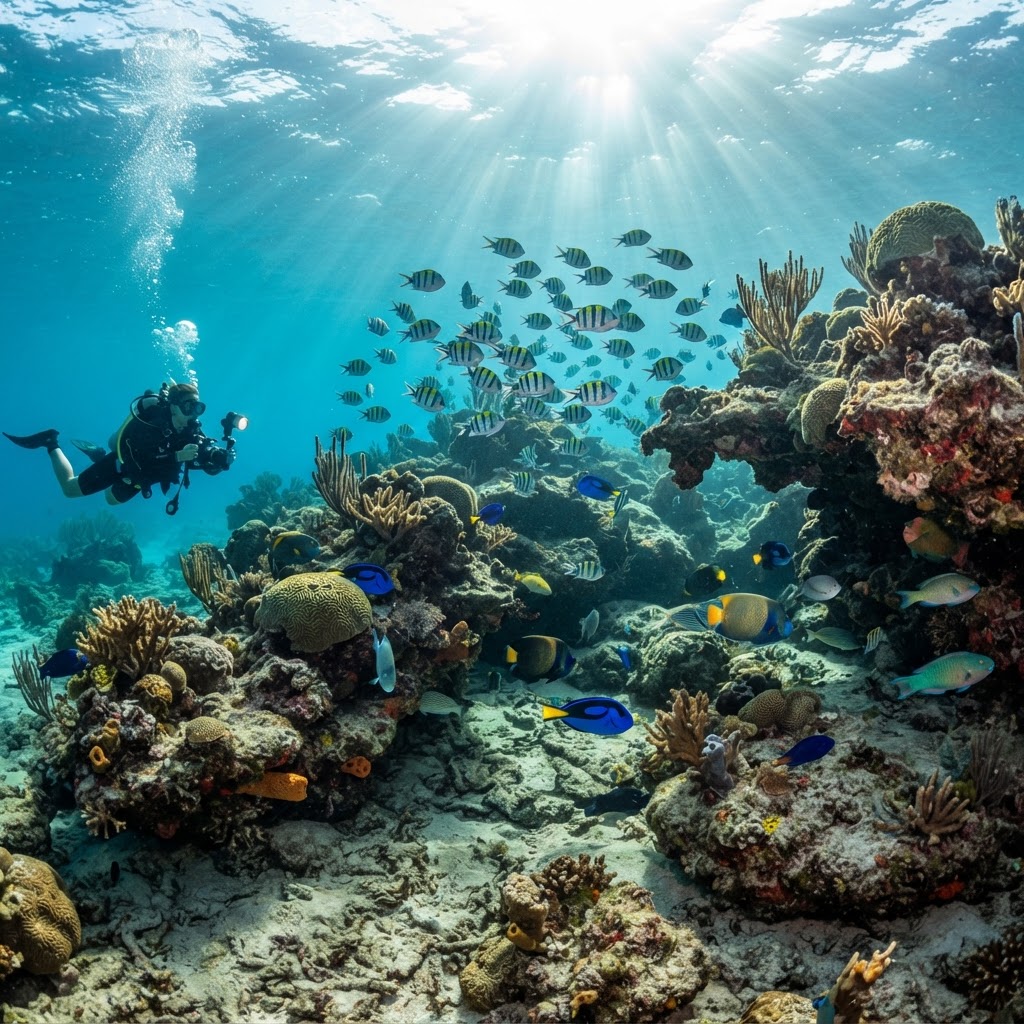
El Natural
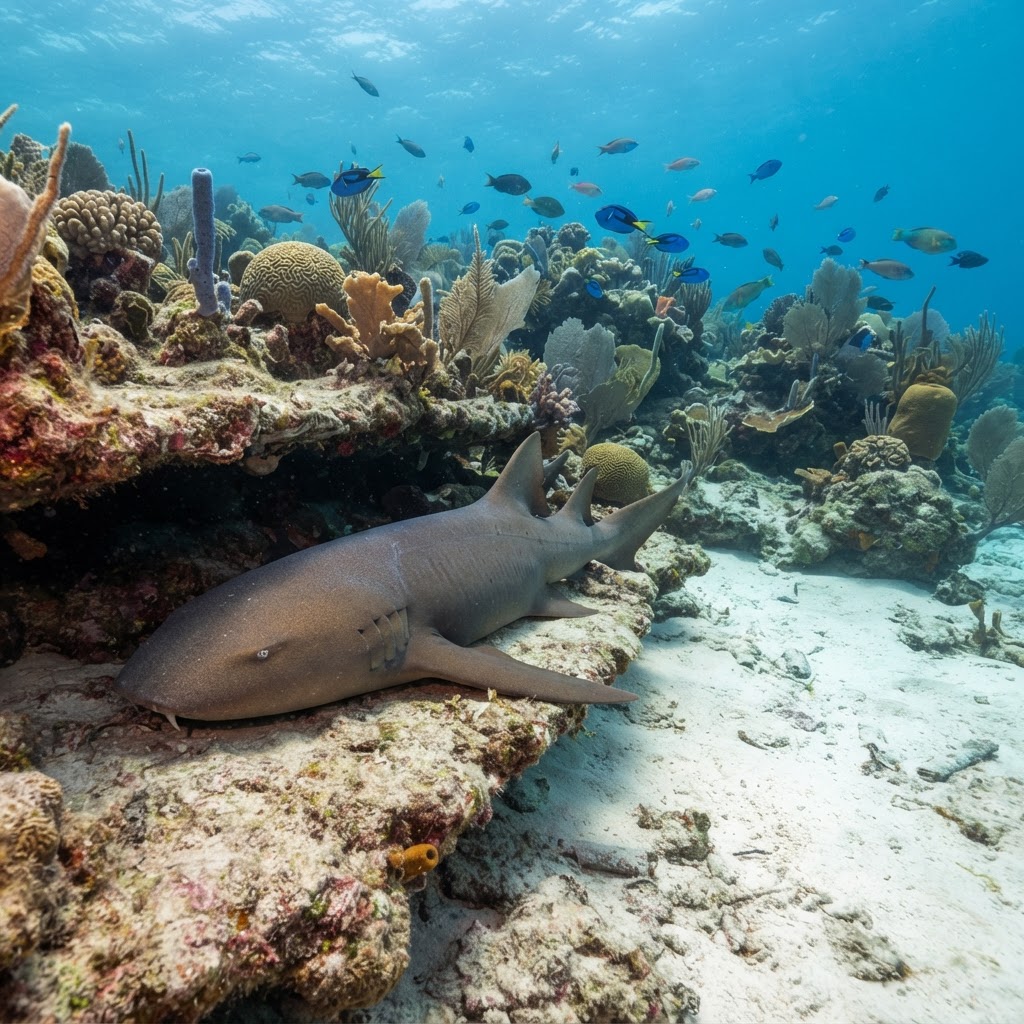
Our other home reef, a short swim from Crash Boat — a shallow rocky reef with ledges, boulders and small overhangs, and the same reliable cast of tropical fish, morays and the occasional nurse shark.
West Coast & Offshore Islands
Reached by boat from the west coast. Remote, current-swept and spectacular — the wildest diving Puerto Rico has to offer.
 Advanced
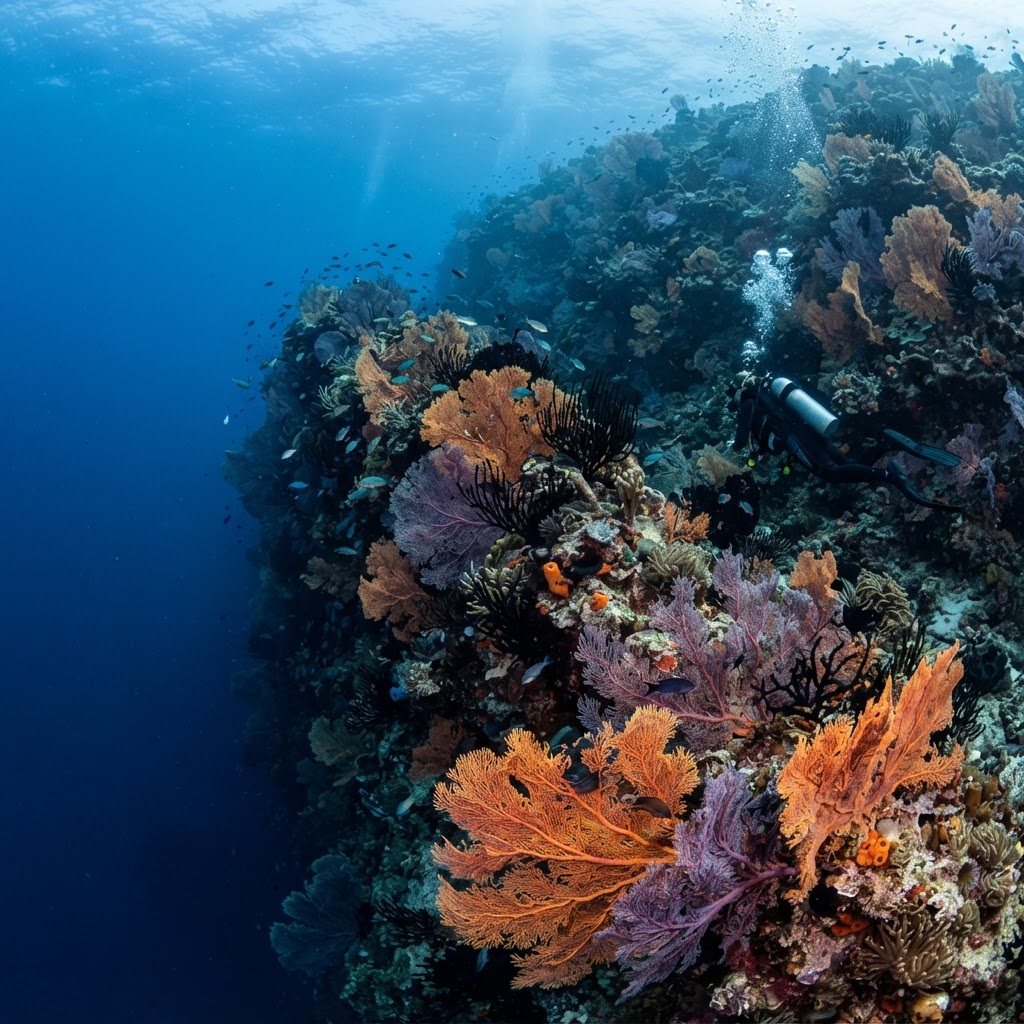
Isthmus & Boquerón Reef
Sheer cliff-like walls on Mona Island, fed by currents from the open Atlantic and draped in gorgonian sea fans and black corals.
 Advanced
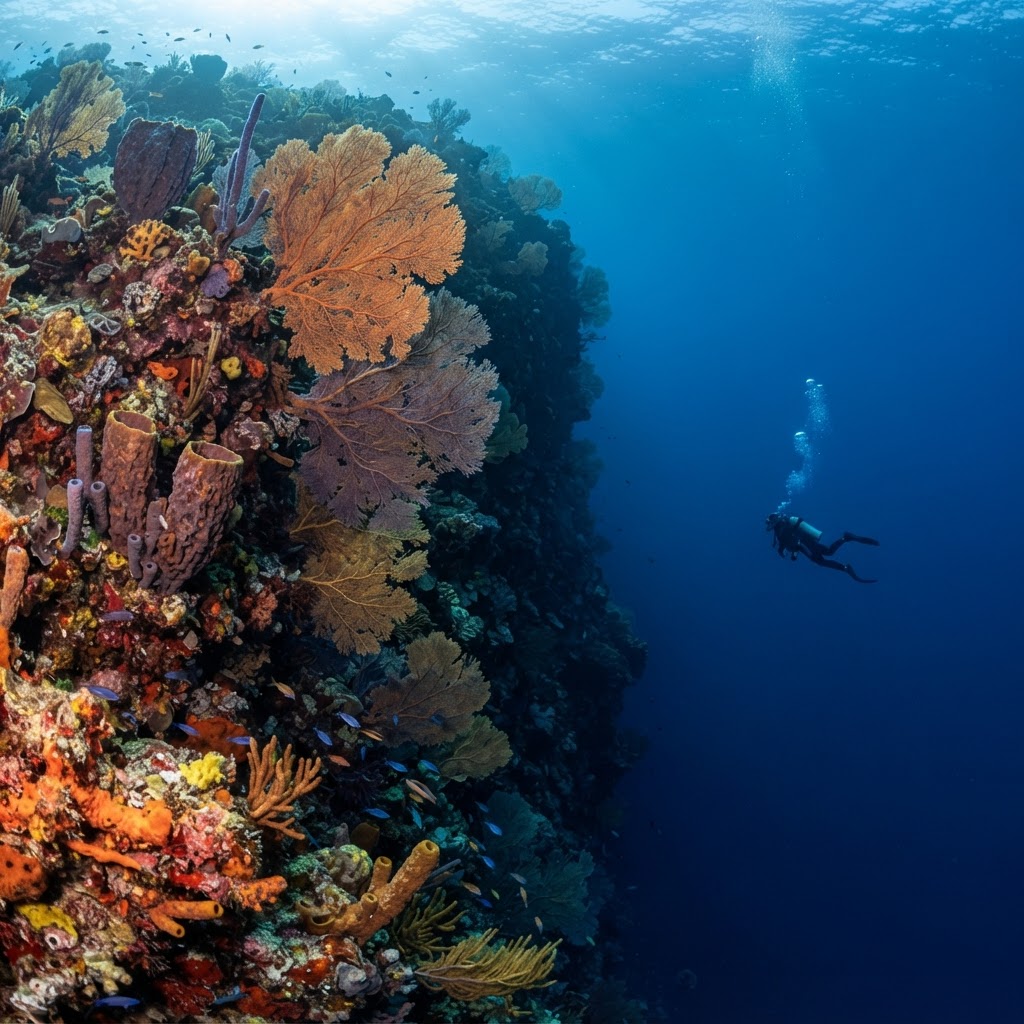
Silver Banks & Southern Pride
Offshore sites visited by passing pelagics — sharks, leatherback sea turtles and dolphins. Conditions can be tough, best suited to experienced divers.
 Advanced
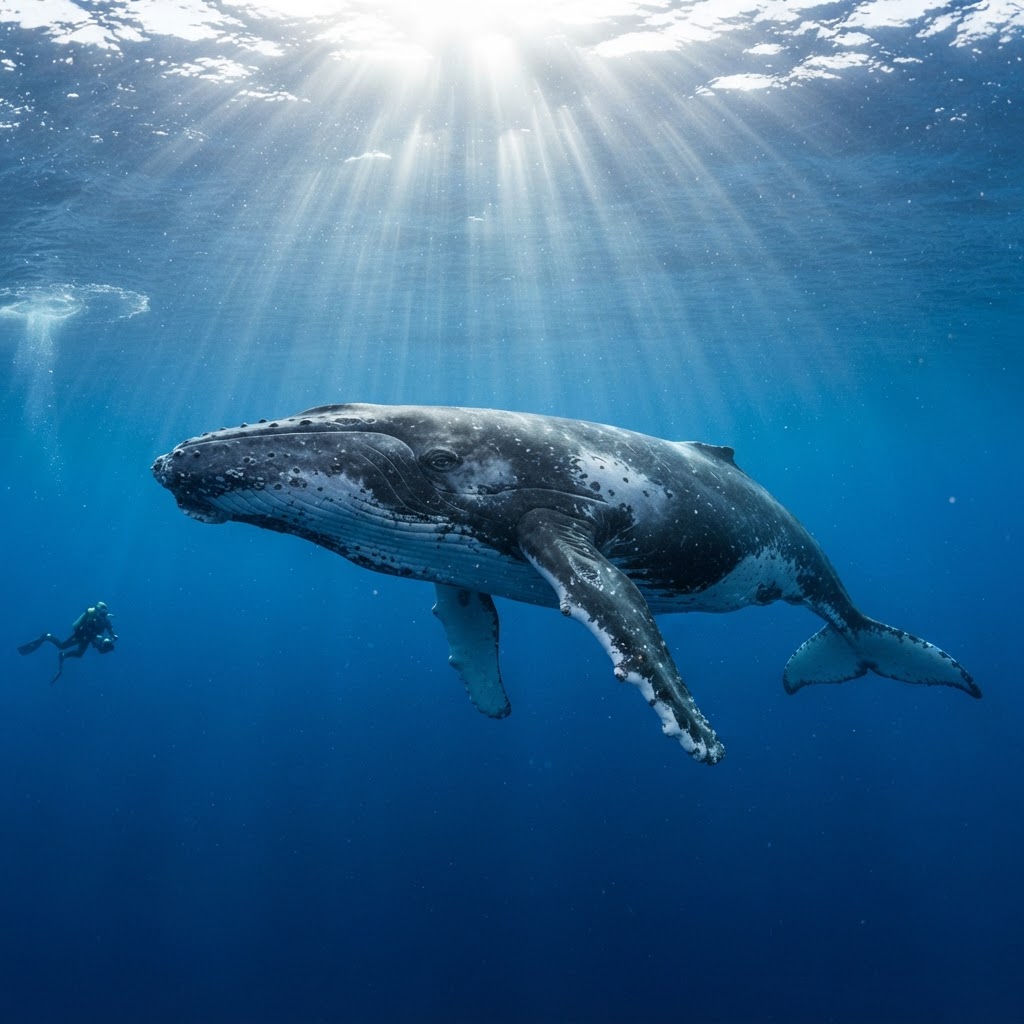
Mona Passage
The channel between Mona Island and the main island, where humpback whales pass through in the winter months — spectacular breaching and socialising in family groups.
AdvancedLittle Monita (Hobbit House)
An open-ocean seamount beside Mona Island visited by large numbers of sharks. Only diveable when sea conditions allow.
 Intermediate
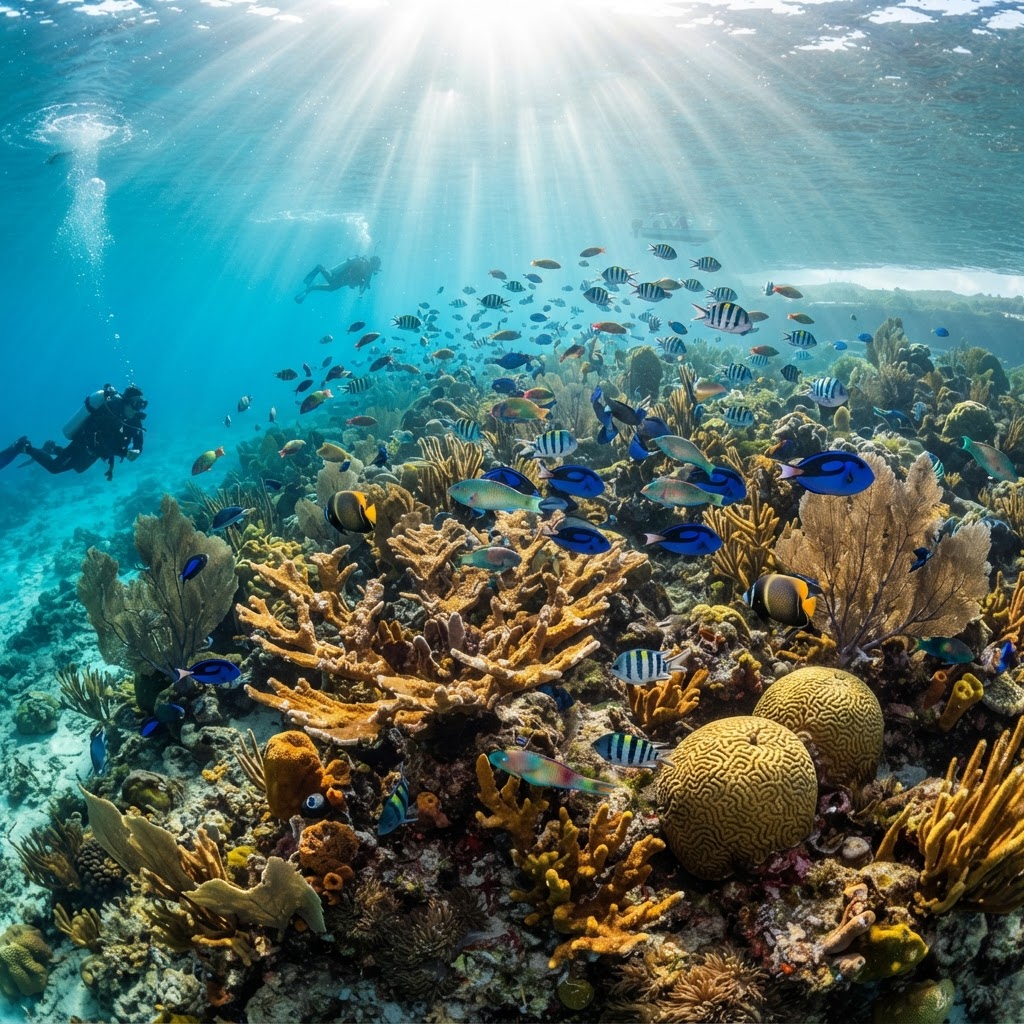
Bomber Anchor Valley
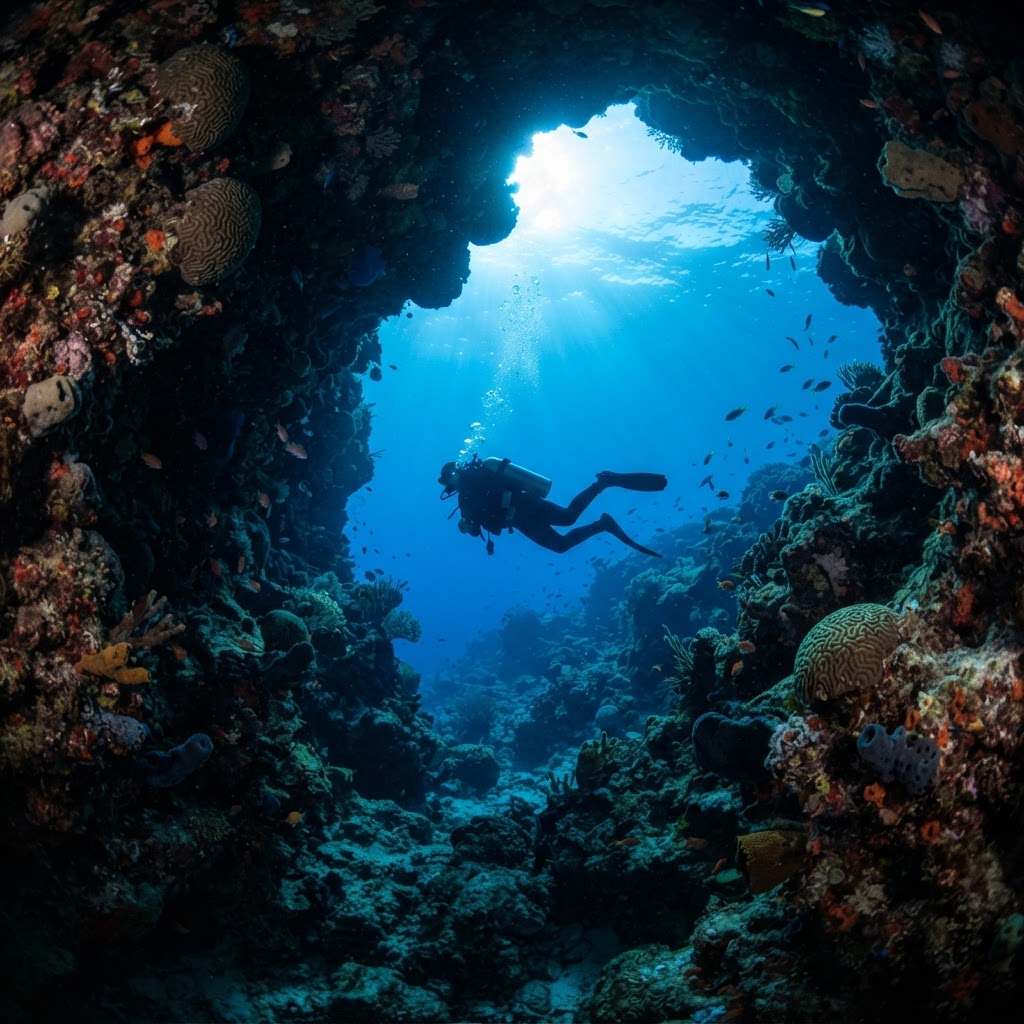
On protected Desecheo Island, classic Caribbean spur-and-groove reef festooned with sea fans, healthy corals and sponges. Sea turtles, moray eels, lobsters and nurse sharks are all common.
 All levels
Las Cuevas
Numerous caves, overhangs and ledges give divers a choice of routes, while the reef attracts large fish such as goliath groupers. Shallow and popular as a second dive.
All levelsCandyland
Large, odd-shaped coral heads that look like childhood treats, with nurse sharks tucked under the low ledges and graceful eagle rays gliding past. Huge sea fans make superb photo subjects.
La Parguera & the Southwest
Easy to reach from shore and boat, with some of the best macro diving in the Caribbean alongside dramatic walls.
 Intermediate
Efra's Wall & Black Wall
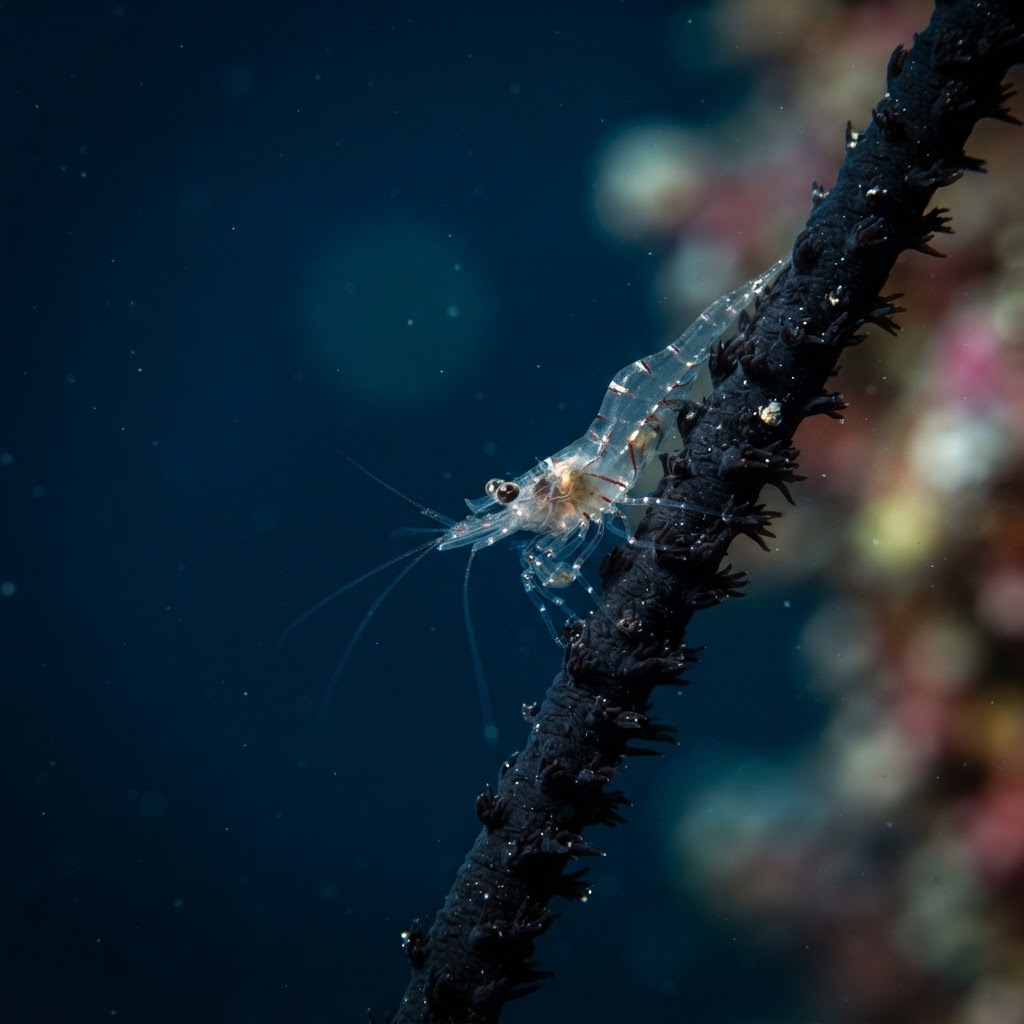
Steep drop-offs with dense aggregations of delicate black corals, sea whips and huge elephant's ear sponges. A macro-lover's paradise — whip coral shrimps, neck crabs and clingfish reward keen-eyed divers.
IntermediateFallen Rock
A good spot for passing pelagics such as dolphins and billfish, plus big schools of crevalle, horse-eye and yellow jacks.
AdvancedLa Parguera Wall
An impressive underwater cliff plunging into the depths, covered in vibrant coral and sponges. Visibility can exceed 30 m, with barracuda, turtles and the occasional reef shark.
Culebra & Vieques
The two satellite islands in the east, surrounded by marine reserves and calm, clear Caribbean water.
 Intermediate
Cayo Lobito
Inside the Culebra Marine Reserve, a picturesque reef famed for its resident nurse sharks, plus hawksbill turtles, flamingo tongue snails and southern stingrays.
All levelsAngel Reef
Shallow, infrequently visited water off Vieques with healthy elkhorn, staghorn and Caribbean pillar coral supporting huge amounts of fish life.
All levelsPatti's Reef
Well known on Vieques for its swim-throughs, which create a maze-like structure for divers to explore.
 All levels
Mosquito Bay
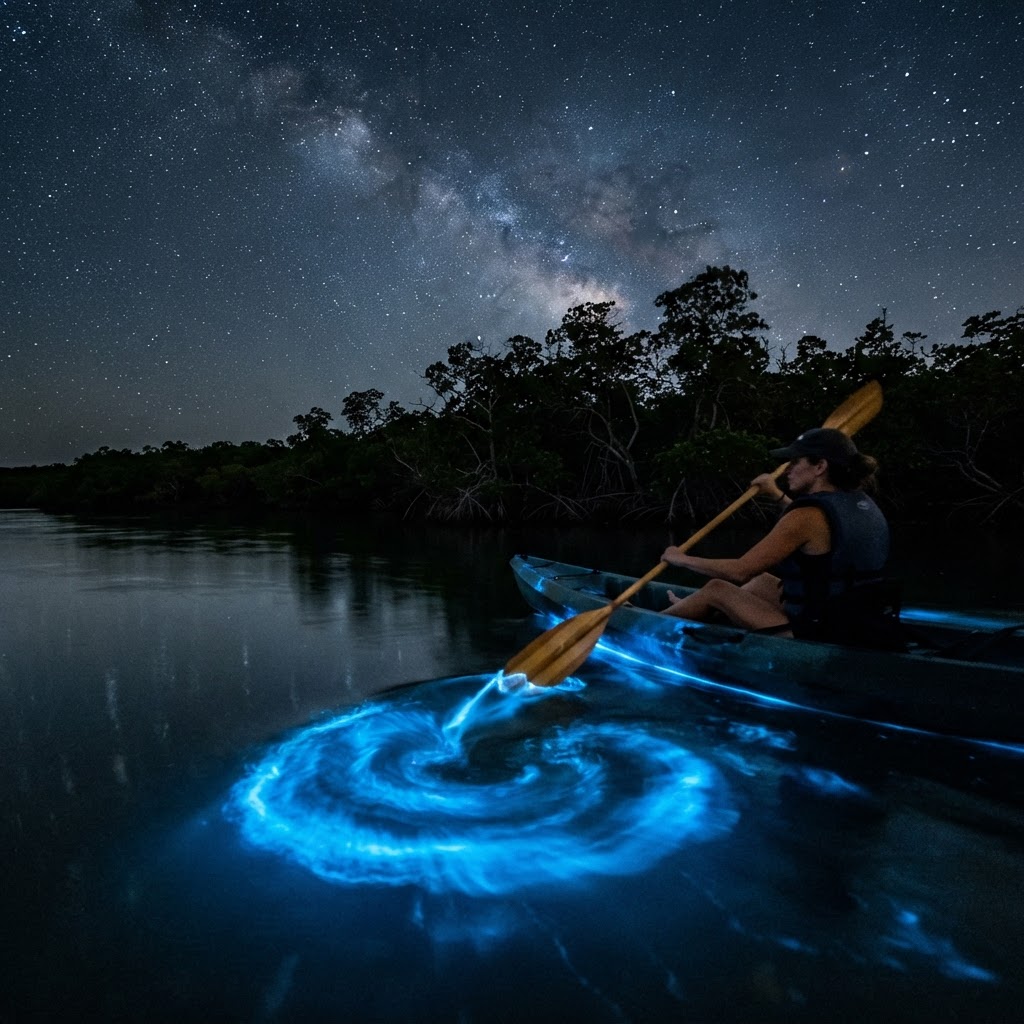
A UNESCO World Heritage Site and the brightest bioluminescent bay in the world — light-emitting plankton turn the water a glowing blue after dark.
San Juan & the North Coast
Convenient diving close to the capital, perfect for a relaxed day between course sessions.
Mexico
The Riviera Maya, where the Caribbean Sea meets the Yucatán jungle — drift reefs, seasonal bull sharks and the world's most famous cenotes.
Playa del Carmen & the Riviera Maya
Warm, clear Caribbean water and easy boat rides to shallow reefs, drift dives, wrecks and the seasonal bull shark gathering.
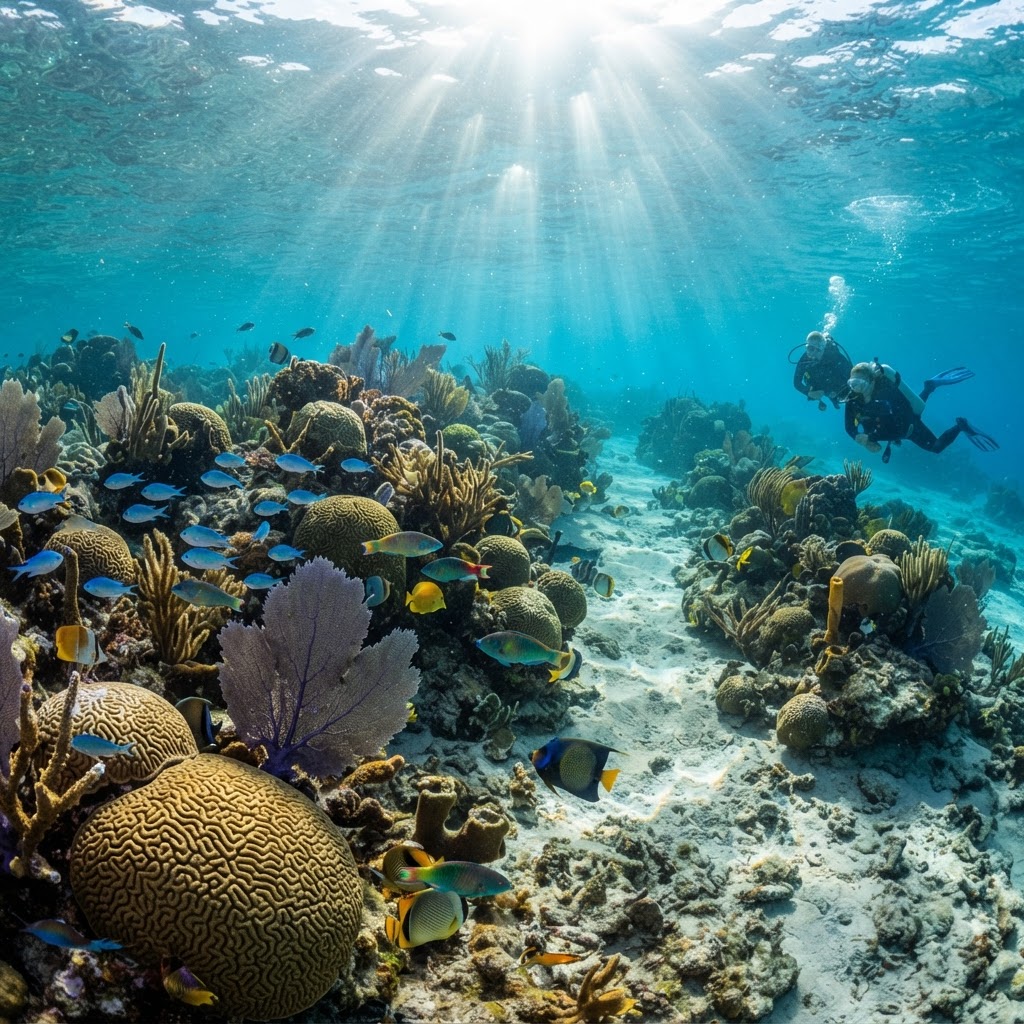 Beginner
Jardines
A relaxed coral garden with sandy channels, little or no current and plenty of small life — one of the best shallow reefs in Playa for newer divers, training dives and refreshers.
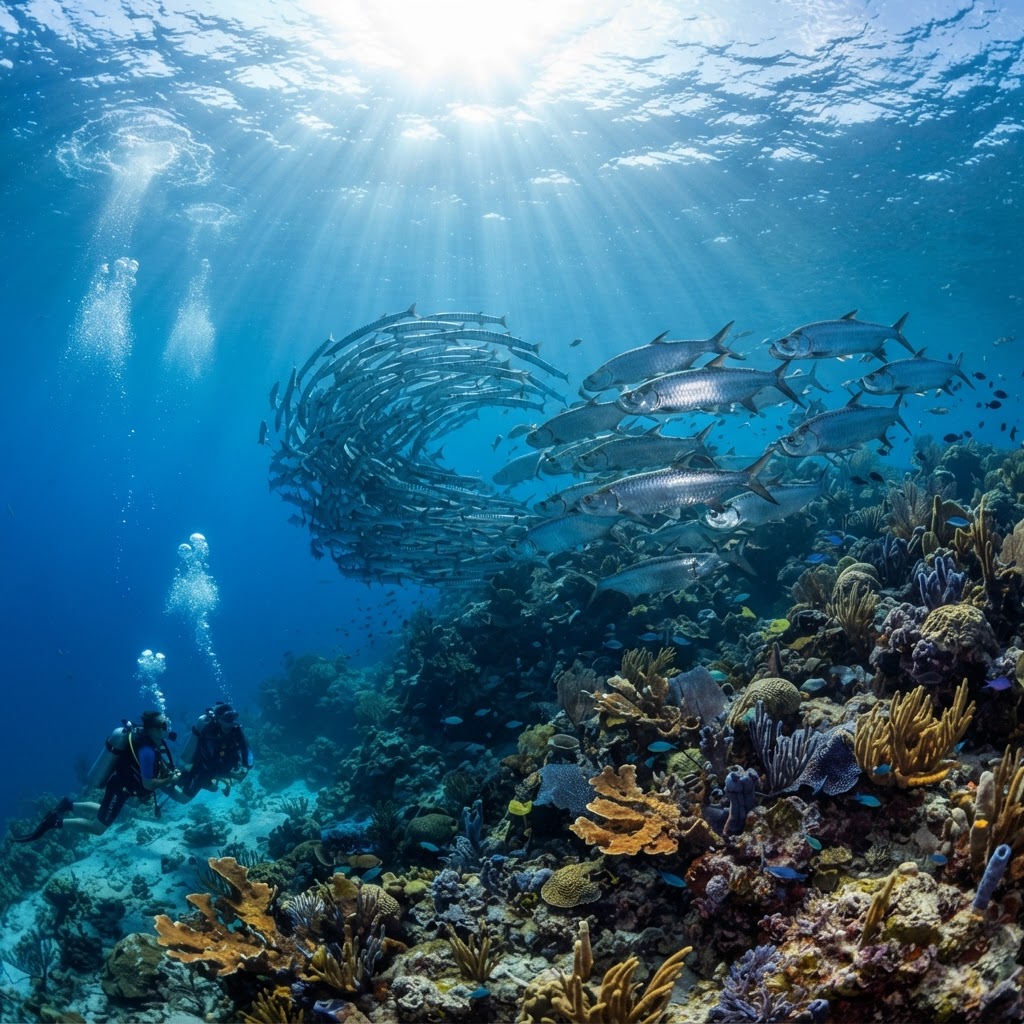 Intermediate
Sabalos
A marine-life focused drift over coral ridges and sandy channels, where big silver tarpon and barracuda hang in the current. Just a short boat ride from shore.
IntermediateBarracuda
Named for the schools of barracuda that gather here, this drift runs along reef fingers and sandy channels and works just as well as a night dive.
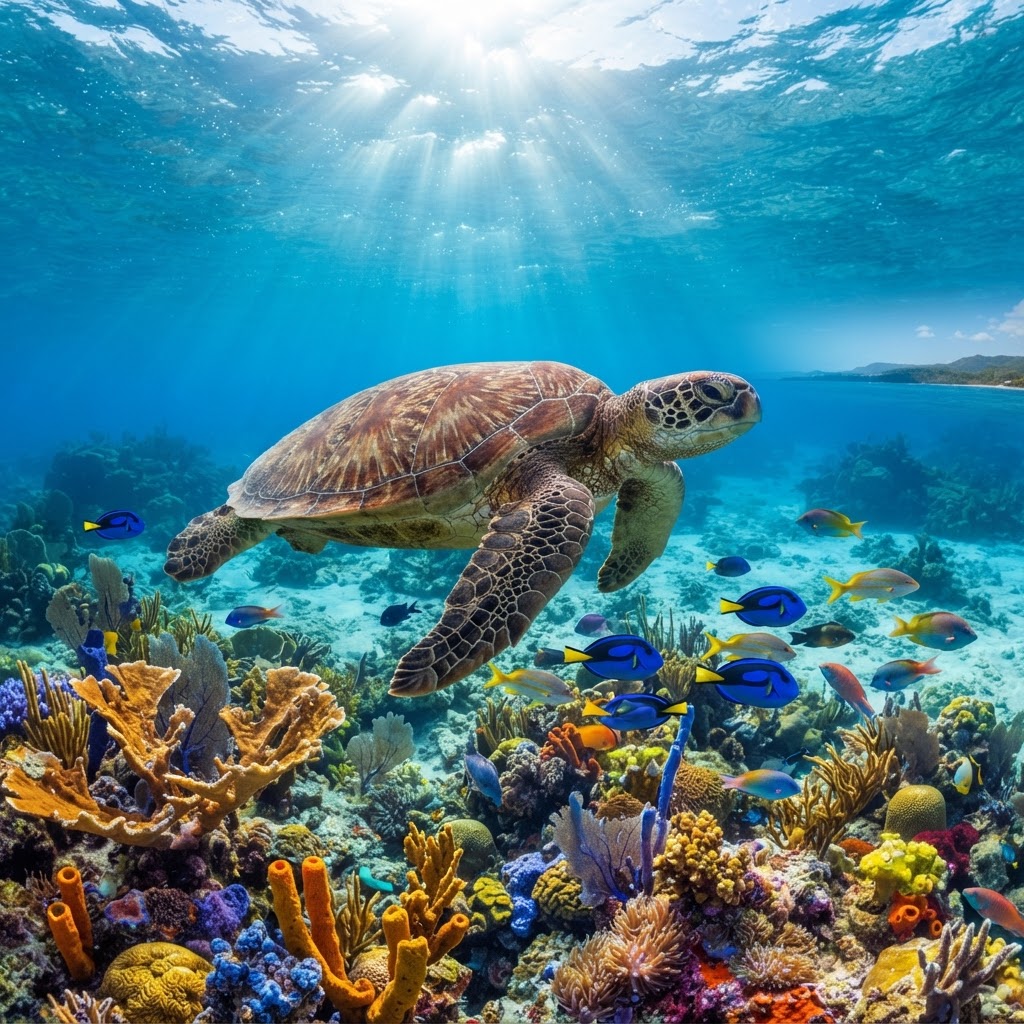 Intermediate
Tortugas
One of the most popular dives in the area — a relatively flat reef sloping from 15 to 40 metres, covered in corals and big barrel sponges, with turtles a regular sight.
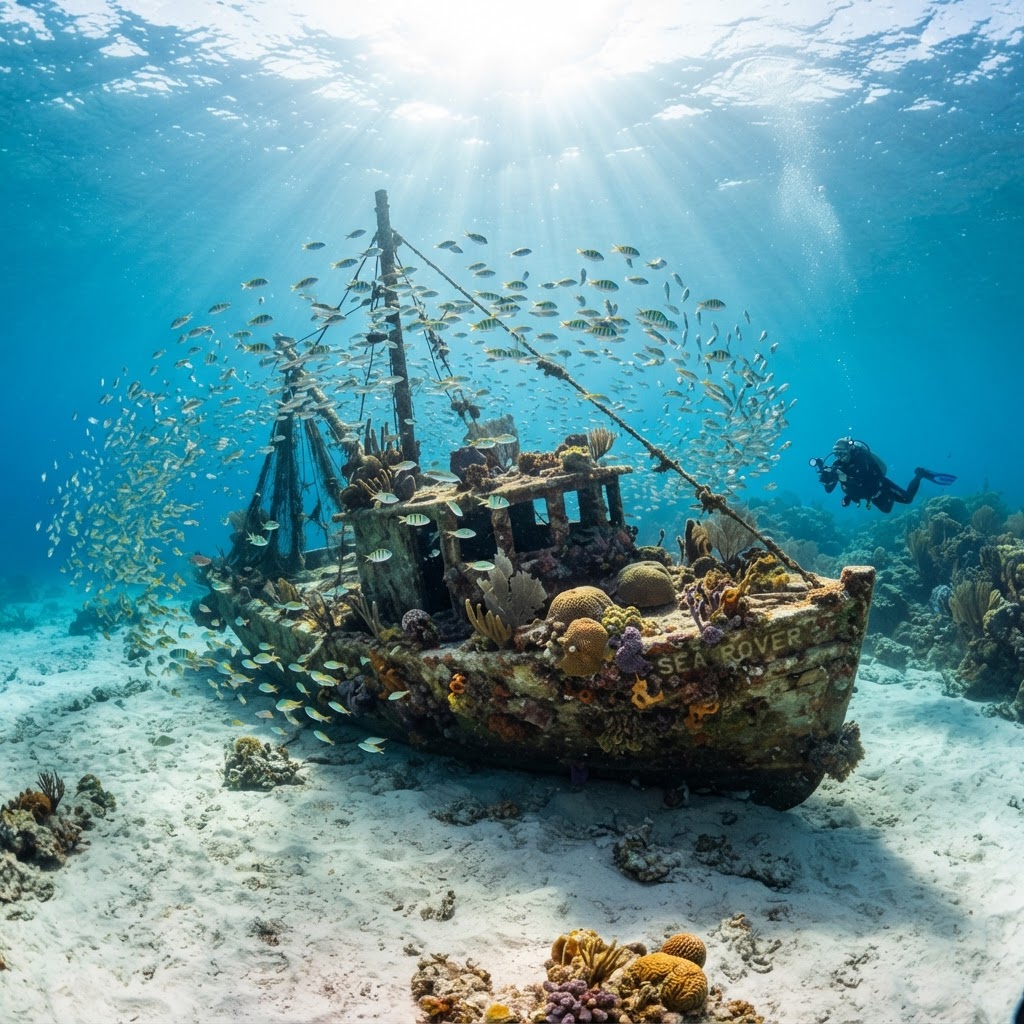 Advanced
Mama Viña Wreck
An old shrimp boat deliberately sunk in 1995, now a thriving artificial reef in front of Xcaret and one of the top wreck dives on the Riviera Maya.
 Advanced
Shark Point
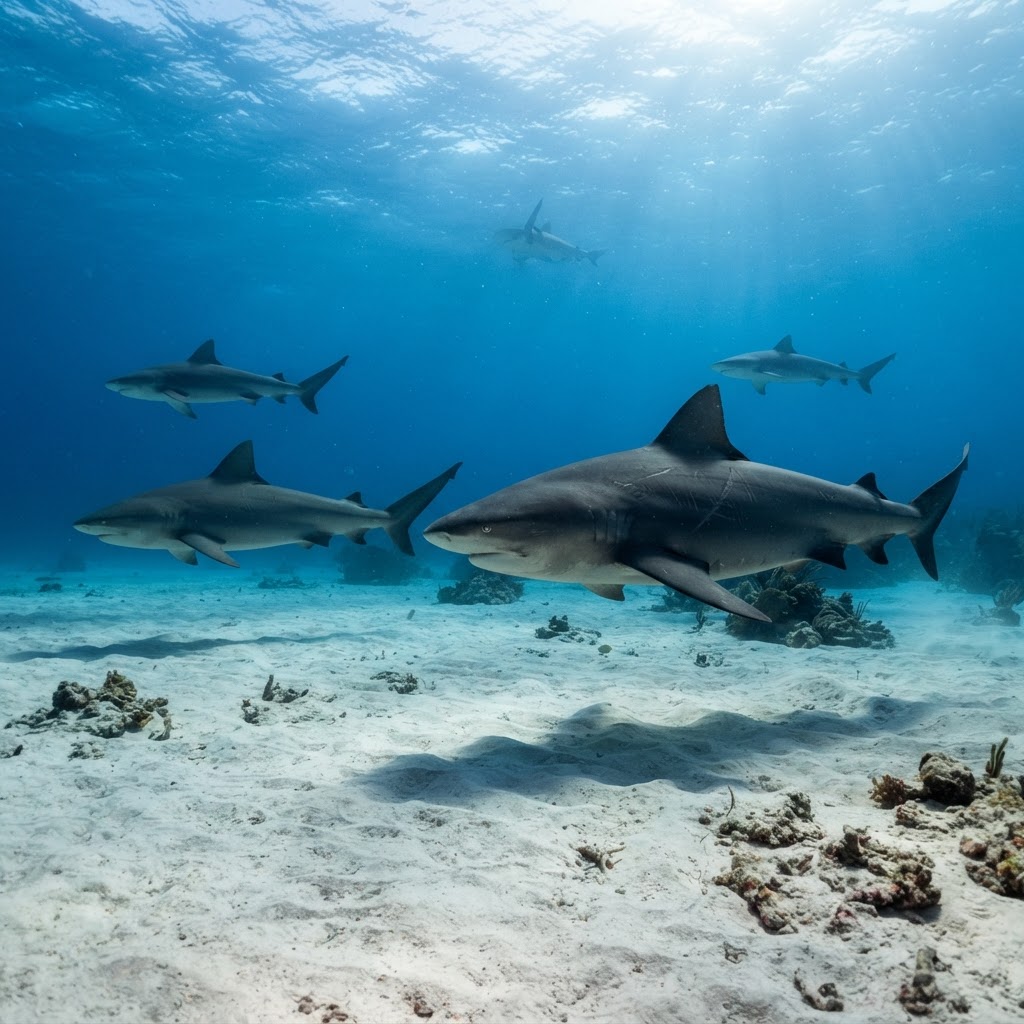
Every winter, female bull sharks gather on this sandy plateau to give birth — one of the most extraordinary shark encounters in the Caribbean, for advanced divers only.
Tulum & the Cenotes
Just south of Playa, the Yucatán's freshwater cenotes open into a hidden world of stalactites, light beams and haloclines — plus the Caribbean reef just offshore.
 All levels
Dos Ojos
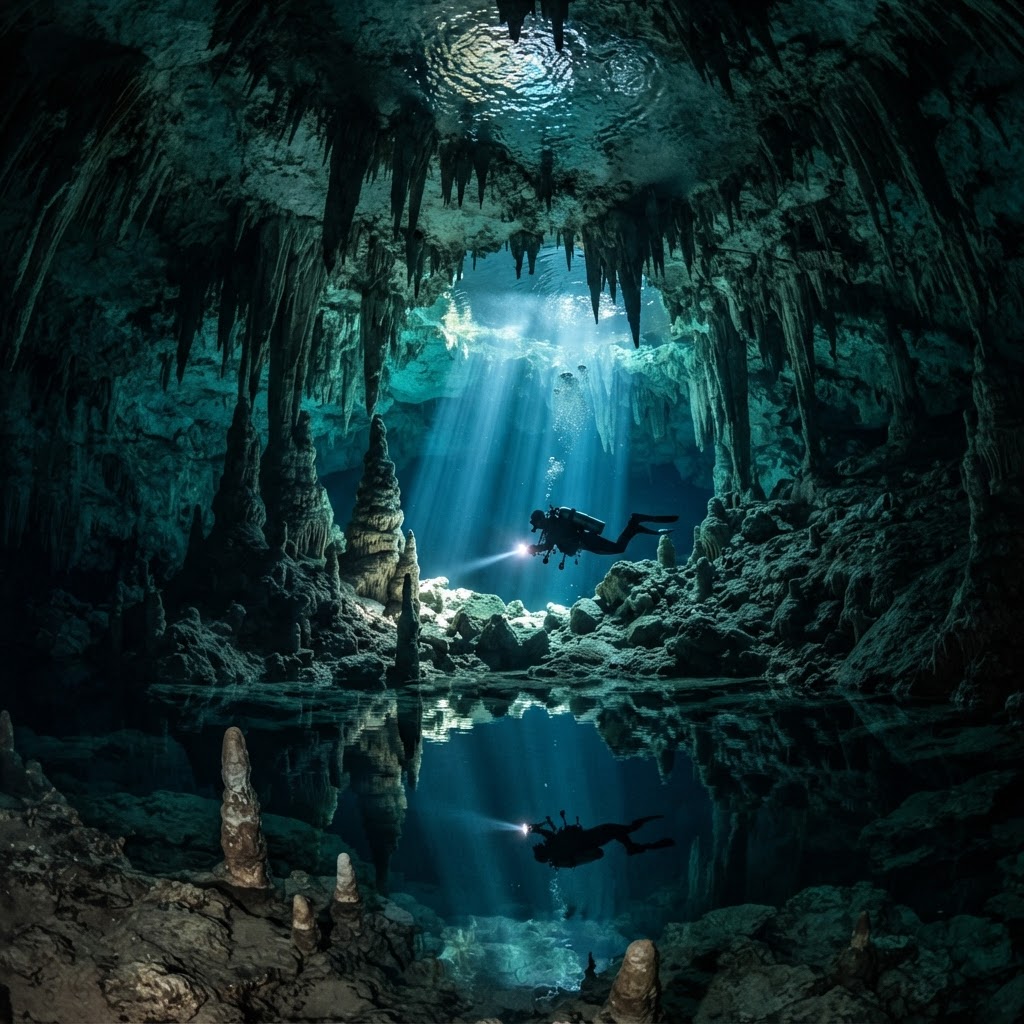
The most famous cenote in the Yucatán — a pair of connected caverns with dramatic stalactites and stalagmites, crystal-clear turquoise water and the famous Bat Cave.
 All levels
Gran Cenote
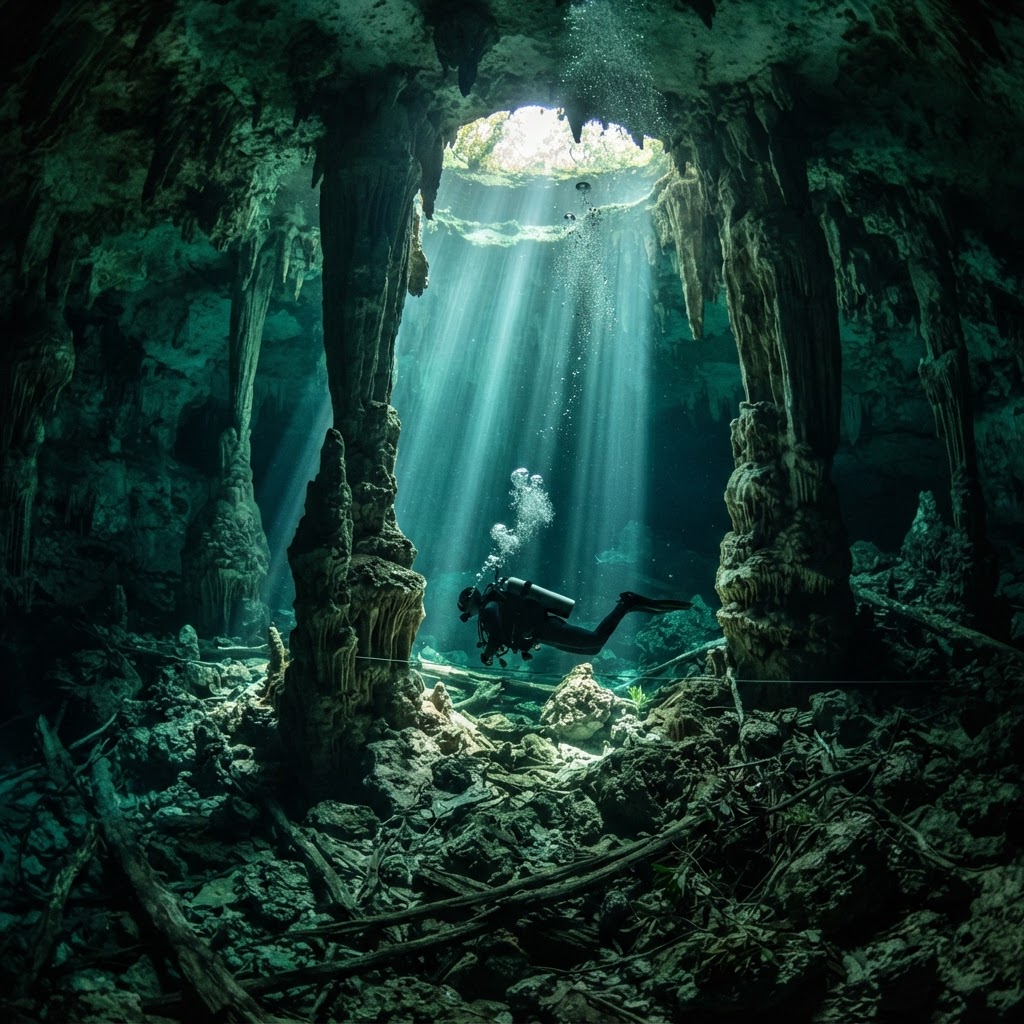
A cathedral-like cavern with towering columns, hanging roots and spectacular light beams cutting through the water. One of the most photogenic cenotes in Tulum.
 Beginner
Casa Cenote
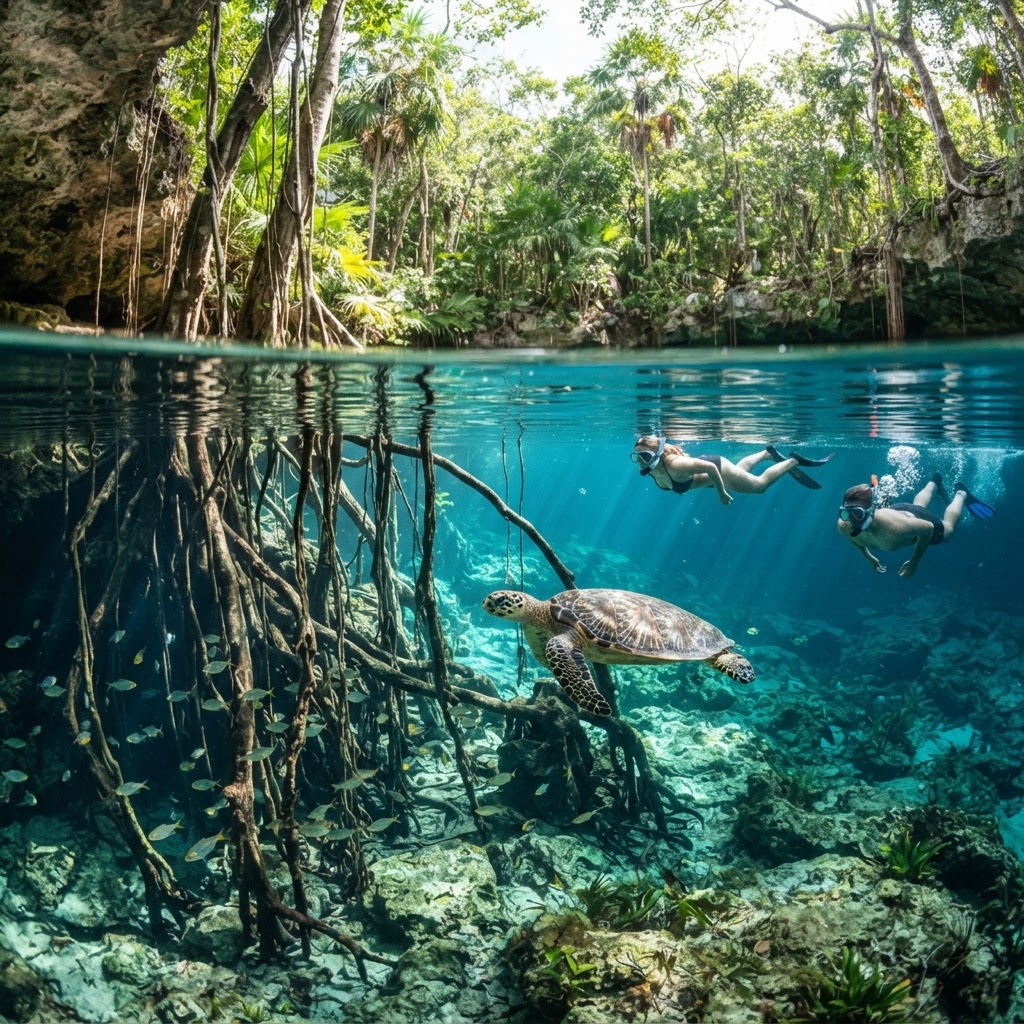
An open-air cenote fringed with mangrove roots, bright and easy — the classic first cenote dive, and gentle enough for Discover Scuba Diving.
 Advanced
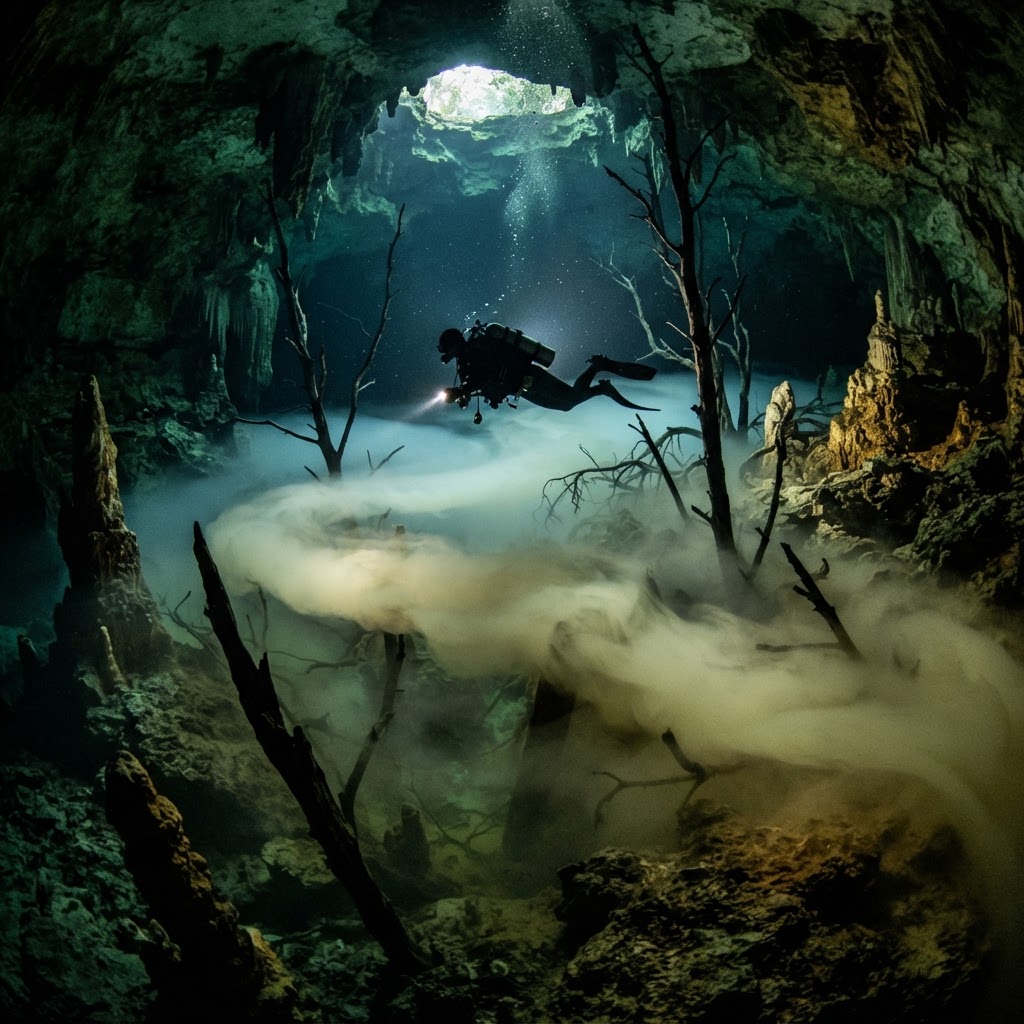
Cenote Angelita
A deep sinkhole famous for its hydrogen sulphide cloud — a ghostly 'underwater river' of mist with bare tree trunks rising through it. Advanced divers only.
AdvancedThe Pit
A deep, cathedral-like cenote in the Dos Ojos system with a sulphide cloud and a forest of stalactites — a bucket-list deep dive for advanced divers.
Dominican Republic
Bayahibe on the south coast is the country's diving capital — calm, clear Caribbean water, more than twenty sites, three shipwrecks and the reefs of Catalina Island.
Bayahibe & Catalina Island
A small fishing village with over twenty dive sites, mostly shallow and calm, plus a spectacular island drop-off and three shipwrecks.
 Advanced
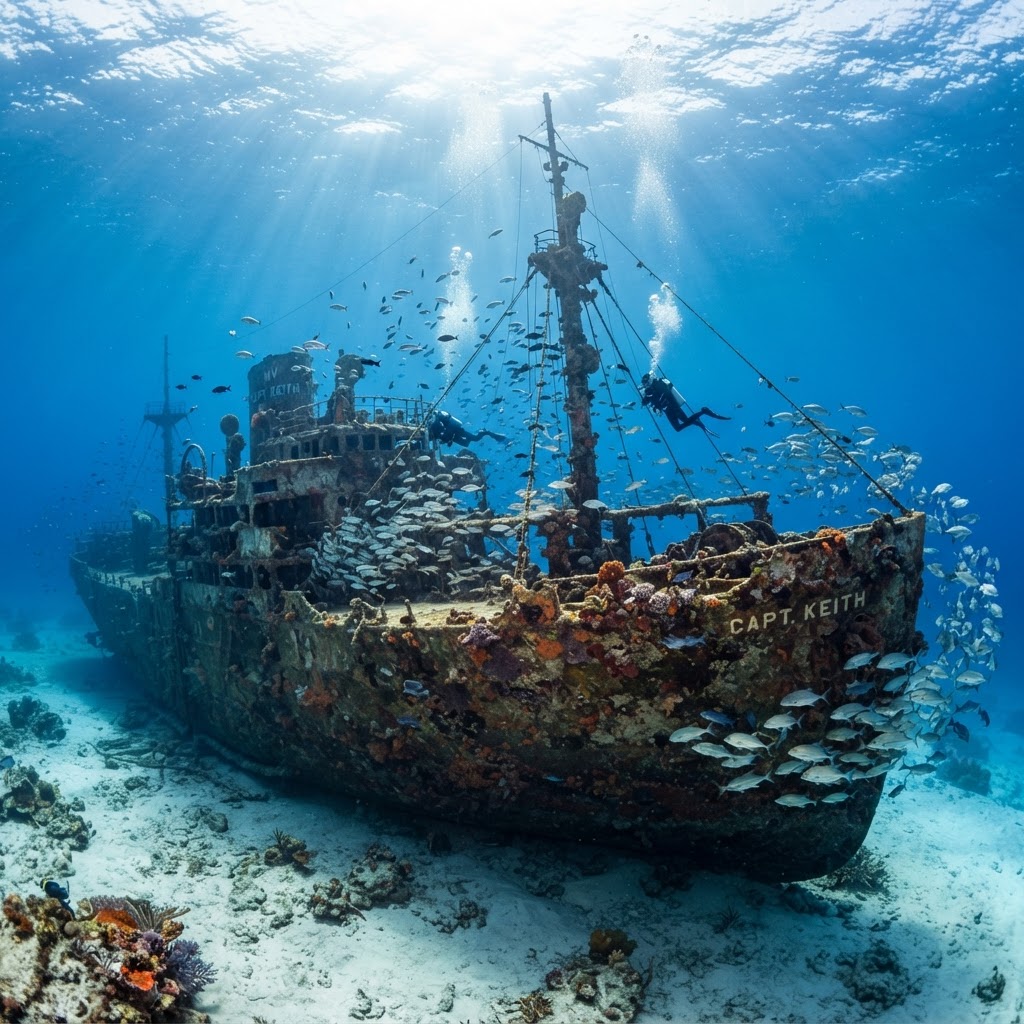
St. George Wreck
A 1962 cargo ship sunk in 1999 and now one of the favourite dives in the whole Dominican Republic — an upright artificial reef in 30 to 40 metres, home to big schools of barracuda.
 All levels
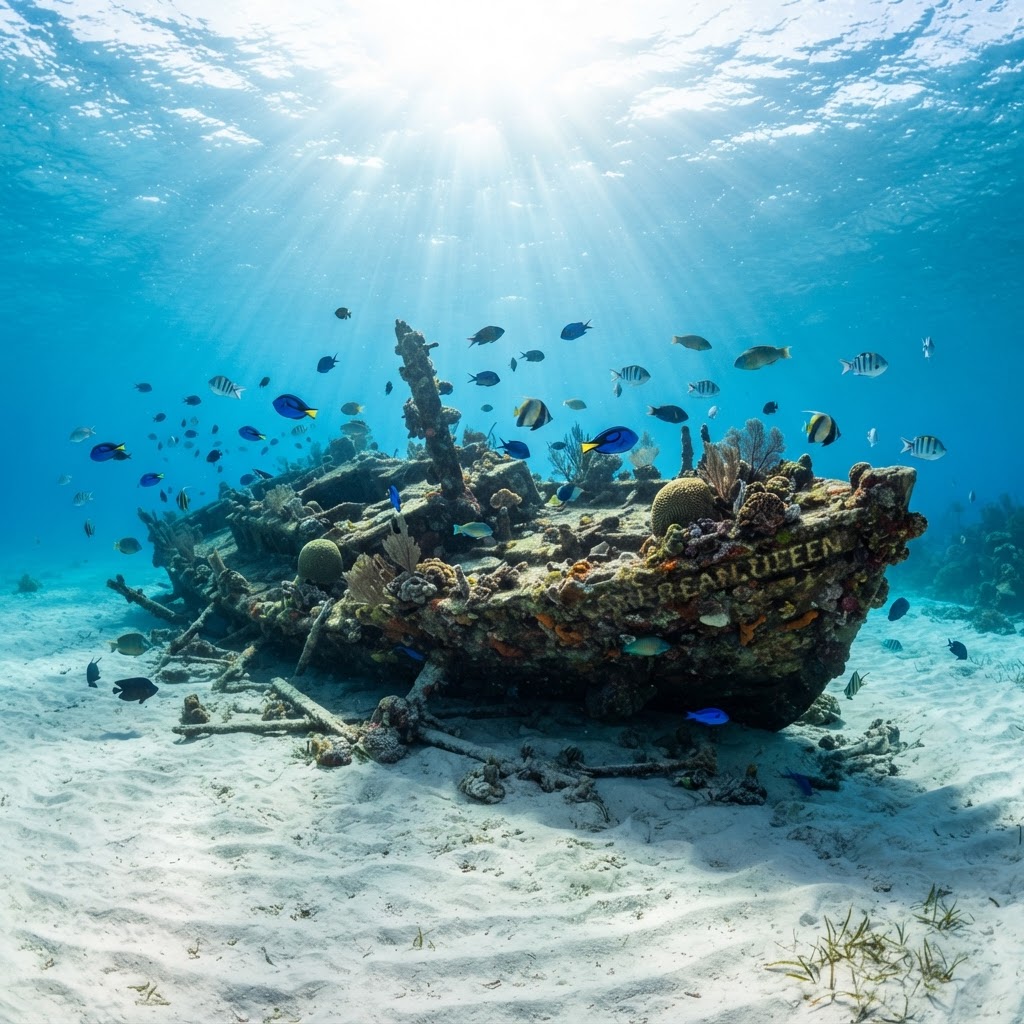
Atlantic Princess
A small wreck resting upright on a pale sandy bottom in shallow, calm water — an easy, atmospheric wreck dive that doubles as a great snorkel site.
 Intermediate
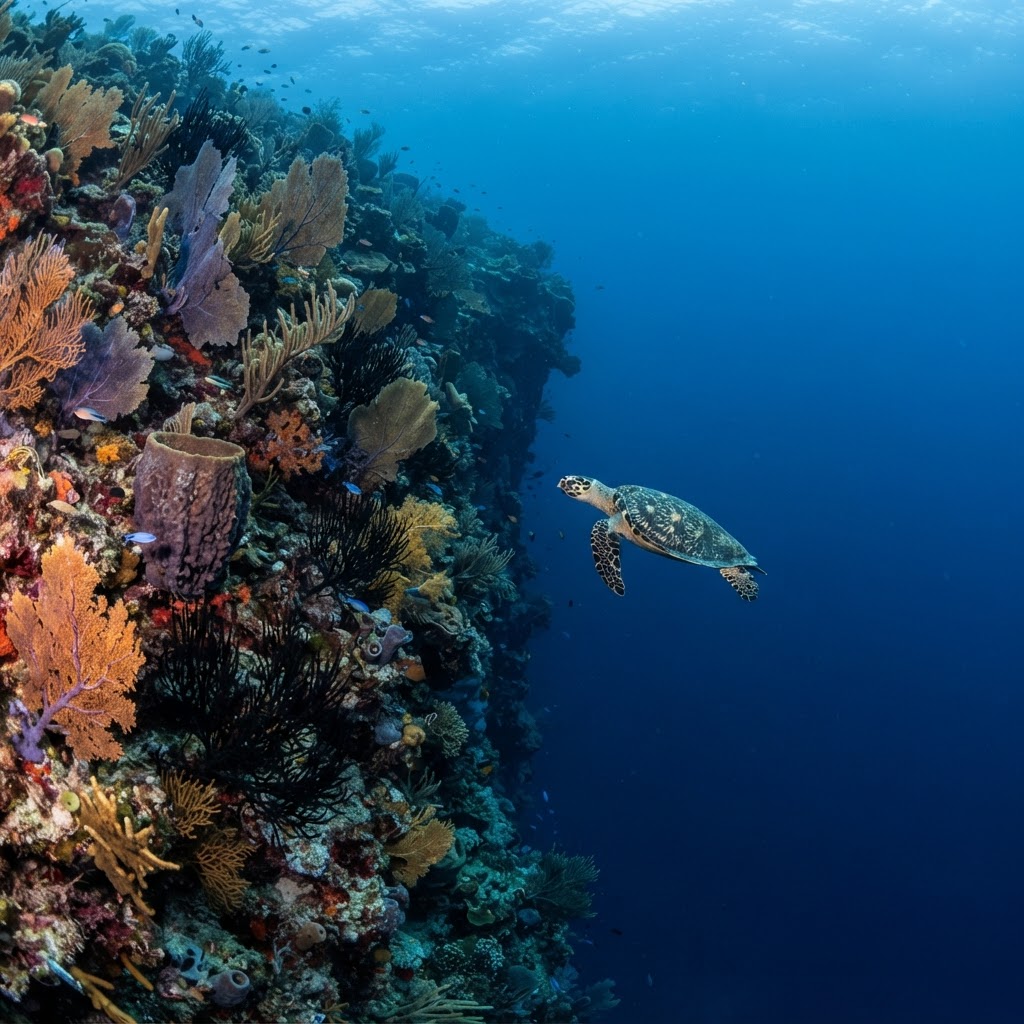
Santa Catalina Wall
One of the Dominican Republic's most spectacular drop-offs, off Catalina Island — a reef wall draped in sea fans and black coral, with turtles cruising the edge.
All levelsAquarium Reef
Catalina's shallow coral garden, named for the clouds of tropical fish that fill the water. Easy, bright and perfect for every level — and for snorkellers too.
 All levels
Viva Shallow
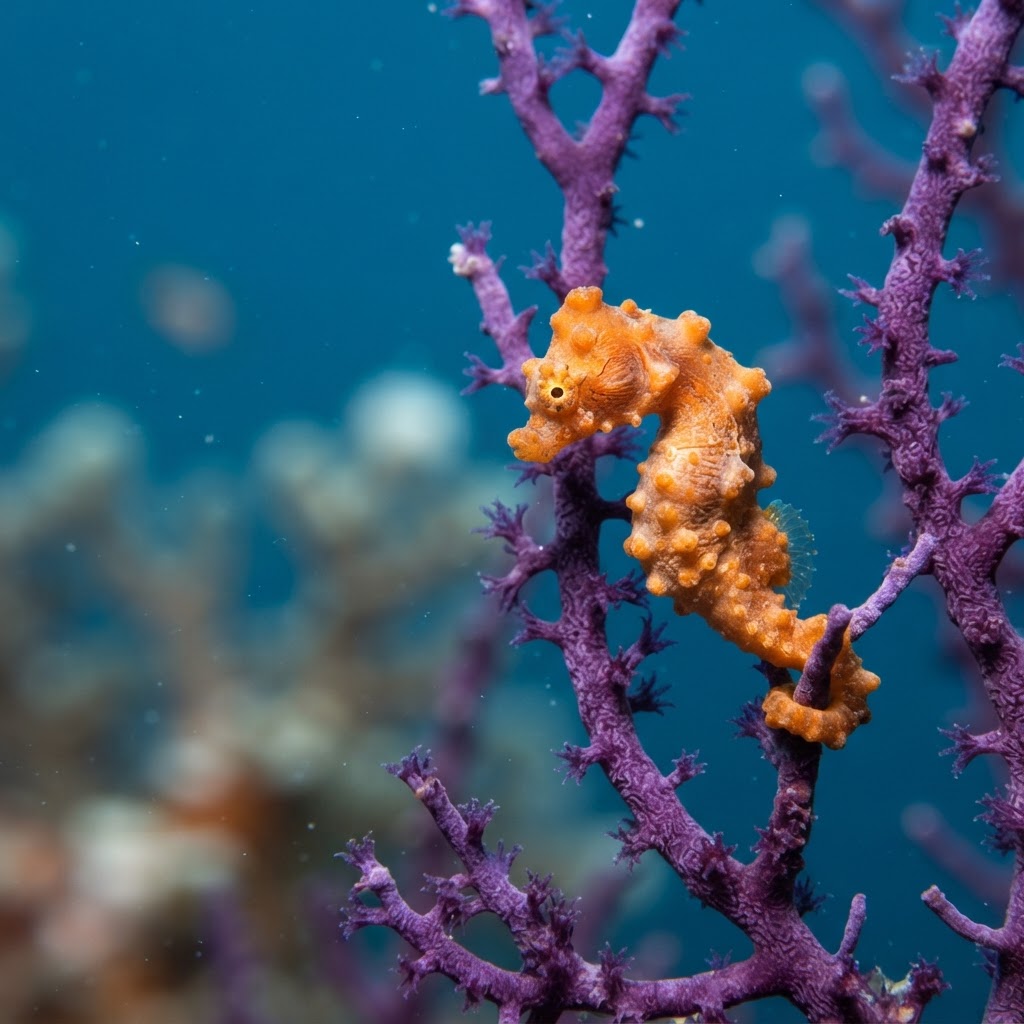
A vibrant shallow reef that suits beginners, photographers and anyone hunting small critters — seahorses, morays and lobsters all hide among the coral.
All levelsCoral Nursery (Viveros)
A coral restoration site in front of Dominicus, where new corals are grown on sculptures and frames before being replanted on the reef. Easy and genuinely inspiring.
Warm water, all year round
All three destinations are divable year round. The dry season from December to April brings the calmest seas and best visibility — and it is also when the humpback whales pass Puerto Rico and the bull sharks gather in Playa del Carmen. The warmer months from August to September are perfect for a rashguard.
What you can expect to see
- Green, hawksbill & leatherback sea turtles
- Nurse sharks, reef sharks & seasonal bull sharks
- Eagle rays & southern stingrays
- Humpback whales (winter)
- Dolphins
- Goliath groupers & tarpon
- Moray eels
- Parrotfish, angelfish & sergeant majors
- Seahorses & macro critters
- Billfish & big schools of jacks
Let's plan your dives
Tell us your experience level and which destination you have in mind — we'll match you with the right sites and plan the trip around you.